

I went to the Ounass Stage in Dubai last week. Aimé Leon Dore, six-month takeover — Café Leon Dore, a custom Porsche on the floor, Tyrrell Winston art on the walls. The kind of environment ALD builds in New York and London. The social buzz from local influencers was more intense than almost anything else I’ve seen here this season.
It says something about this week’s other stories too — about the gap between what the old map predicts and what’s actually happening on the ground.
Here’s what’s inside today’s newsletter:
Ounass goes physical, ALD shows up
Li Ning beats Nike for Stephen Curry
Tencent puts an AI agent on the subway wall
China’s pre-owned luxury market is rewriting what luxury actually means
Also on the new map
Ounass goes physical, ALD shows up
Ounass launched “Stage” — a rotating physical concept that lets brands take over space in Dubai for immersive installations. The debut partner is Aimé Leon Dore, and ALD came with the full package: Café Leon Dore, a custom Porsche 911SC on the floor, artwork by Tyrrell Winston, running through summer. For ALD, this is their first physical presence in the Middle East. Their only other permanent addresses are New York and London.
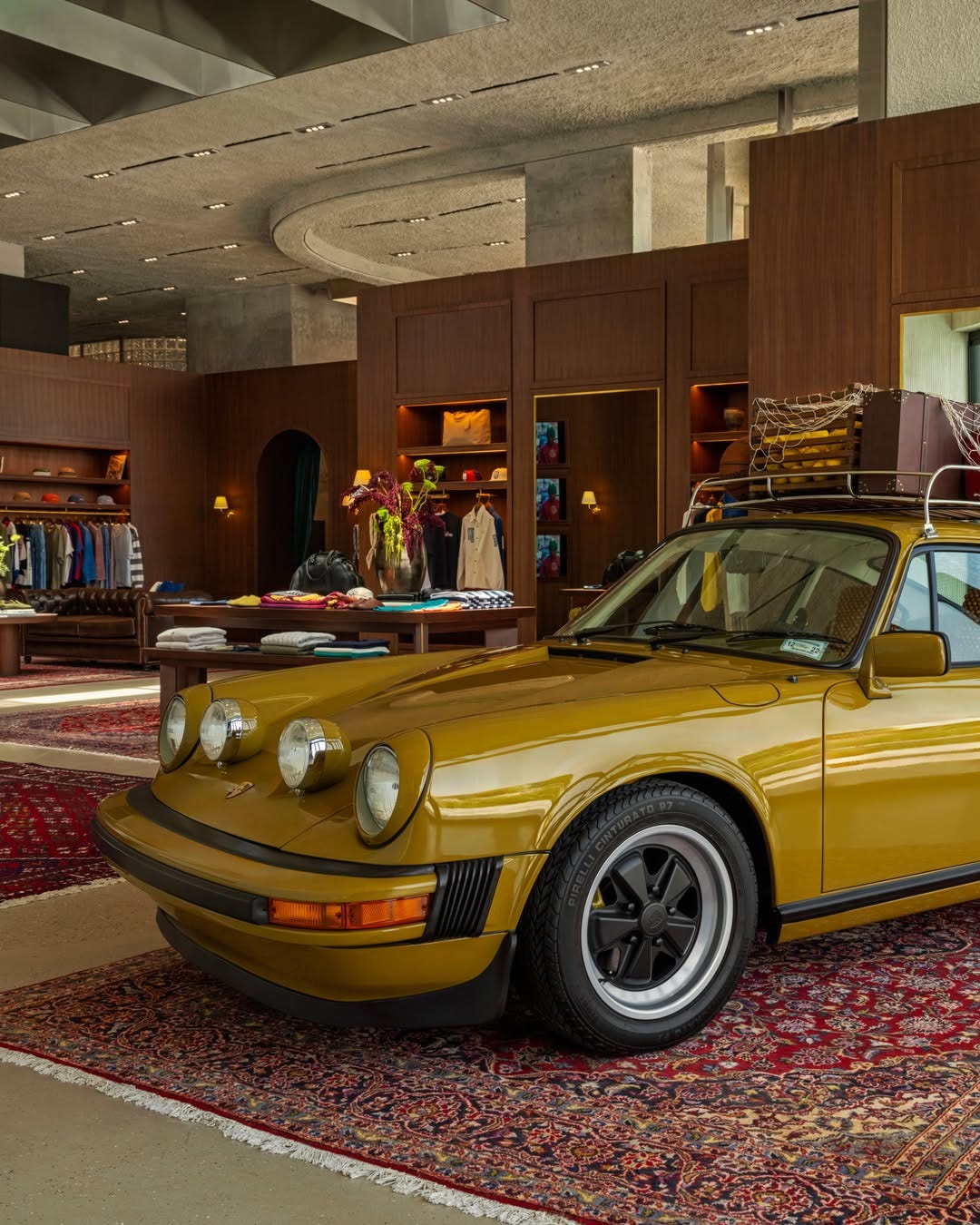
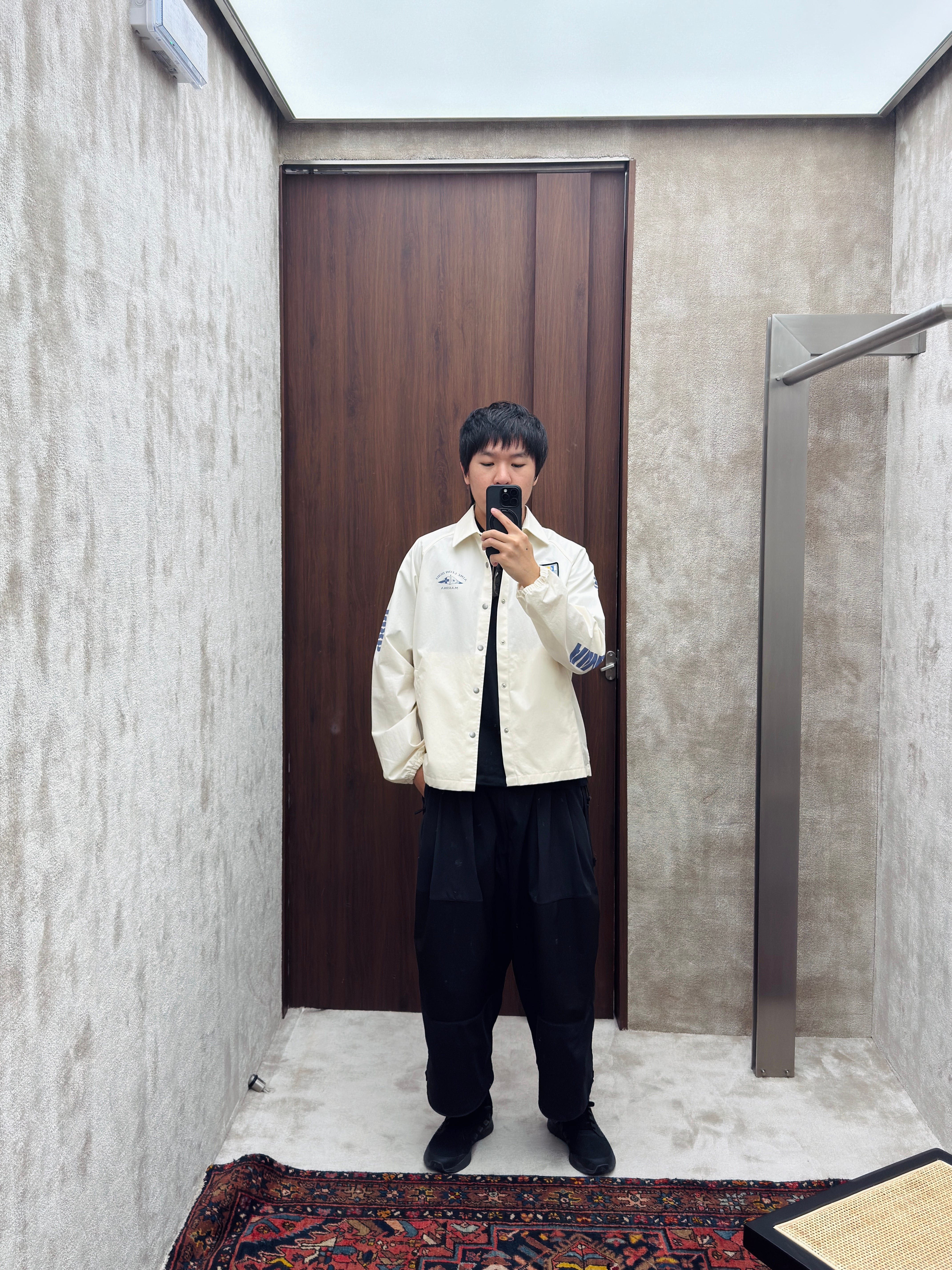
Walking through the store last week, what struck me was not only the products but also the crowd. I saw more than 10 people shooting inside during the 15 minutes I was browsing there. The environment stands apart from anything typically found in regional luxury retail: every detail is considered, fitting rooms given the same spatial attention as the product itself. And yes, I tried on one jacket, does it look good?
Ounass has been digital since 2016. Stage is the next move — not just adding a physical layer, but making Dubai the place where global brands decide the region is worth showing up for properly. That signal matters here. The Gulf is still a market where the right product arrives and people show up, because the right product has so rarely arrived before. Brands that treat the Middle East as a side market to their Western strategy are misreading a market that is still, measurably, hungry.
Li Ning beats Nike for Stephen Curry
Growing up, Li Ning was what you bought when you couldn’t afford Nike. That was my default mental image during my childhood — a solid domestic brand, respectable, but clearly one tier below the global names. But that's already changed.
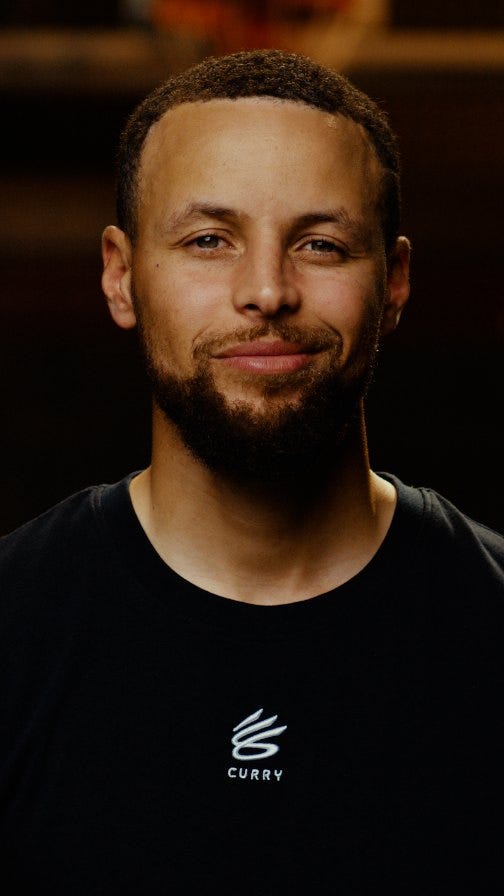
Stephen Curry just signed with Li Ning for ten years. The structure isn’t a traditional endorsement — it’s co-ownership: sales commissions built into the contract, Li Ning equity, Curry Brand running as an independent line inside Li Ning’s global infrastructure. Under Armour paid $255 million just to walk away from their previous partnership. Only three brands could meet Curry’s $30 million annual floor: Nike, Anta, and Li Ning. Anta wanted Curry under their sub-brand umbrella. Li Ning said: keep your brand, we build it together.
The deal also covers golf, because Curry has publicly said golf is where he’s headed after basketball, and Li Ning negotiated that into the contract from the start. They’re not just signing a basketball player. They’re investing in what Curry’s brand becomes after he stops playing. That’s a different kind of ambition from anything the Western brands offered. The co-ownership structure — an athlete keeping control, a brand building the infrastructure — is a template the old commercial order didn’t know how to extend. It took a Chinese brand to offer it.
Tencent puts an AI agent on the subway wall
Tencent is plastering AI ads across China’s subway network — not just screens, but handrails, car interiors, every surface a commuter stares at. The product is WorkBuddy, an AI agent. The message is deliberately untechnical: I’ll help you. Three characters. Designed to be understood immediately by any age group, in any industry.
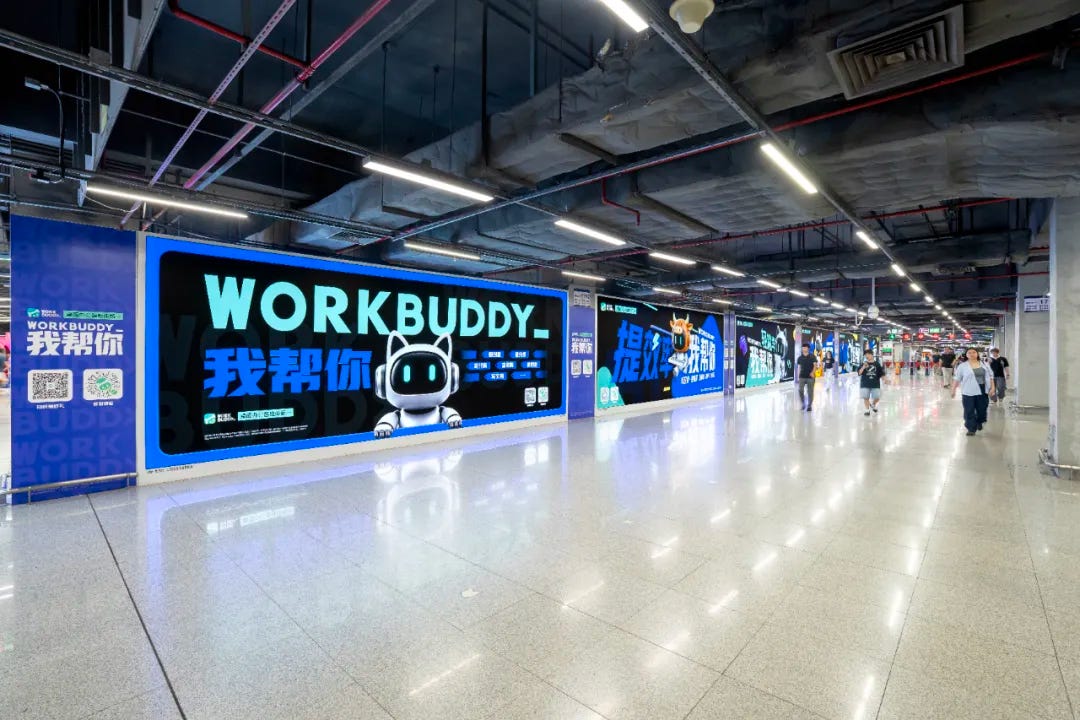
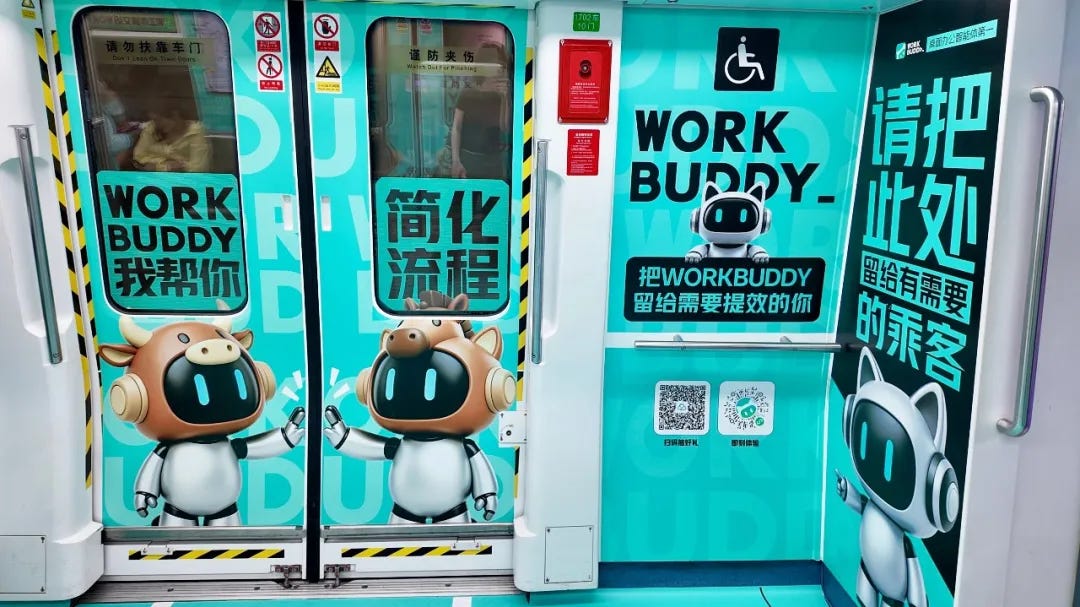
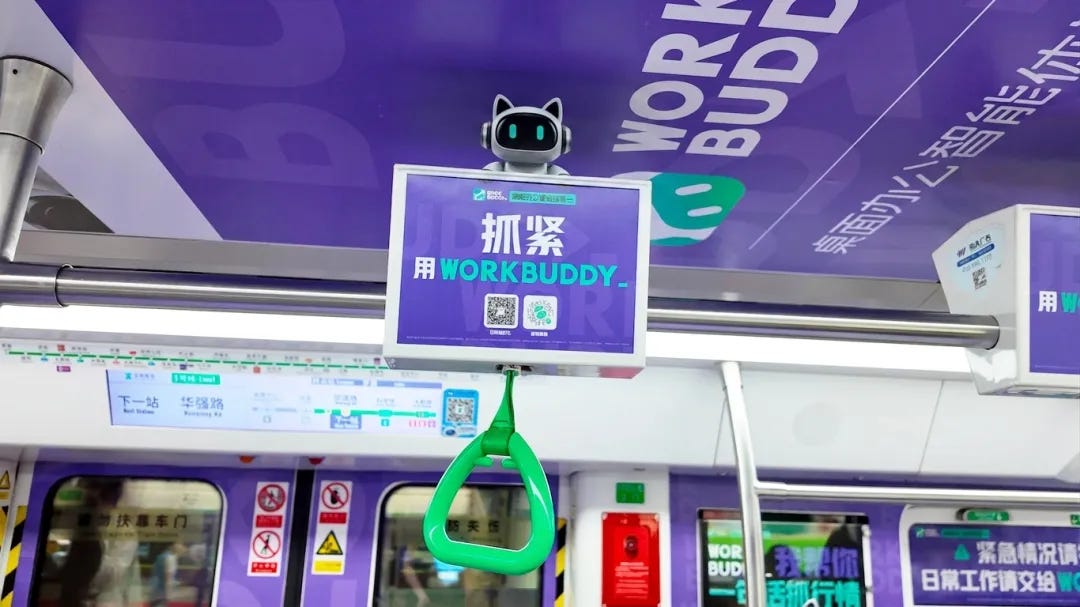
This is a recognizable Chinese playbook. Tencent has spent twenty years converting distribution advantages into national-scale adoption — WeChat, WeChat Pay, the pattern is consistent. They’re deploying the same machinery that built their previous platforms.
The more interesting point is about AI adoption broadly. A post I came across on X last week cited data showing that AI agent adoption remains far below the number of products being released. The argument: the bottleneck isn’t capability or compute — both can be fixed later. The real moat is distribution. Who has the channels to put AI in front of people who weren’t already looking for it? In China, Tencent and ByteDance own those pipes. In the US, Google and Meta. The AI race might be decided less by who builds the best agent and more by who owns the subway wall.
China’s pre-owned luxury market is rewriting what luxury actually means
China’s primary luxury market is down roughly five percent this year. Its pre-owned luxury market is up fifteen to twenty. That inversion has produced a new retail format: warehouse-sized pre-owned stores — three thousand square meters, twenty thousand items on industrial shelving — drawing weekend queues in Beijing, Shanghai, Shenzhen, and Chengdu. Hermès, Chanel, LV, and Dior, stacked like books in a library. The biggest operator, Super Zhuanzhuan (backed by 58.com and Tencent), has anchored in one of Beijing’s top luxury precincts, five minutes from the Hermès flagship.
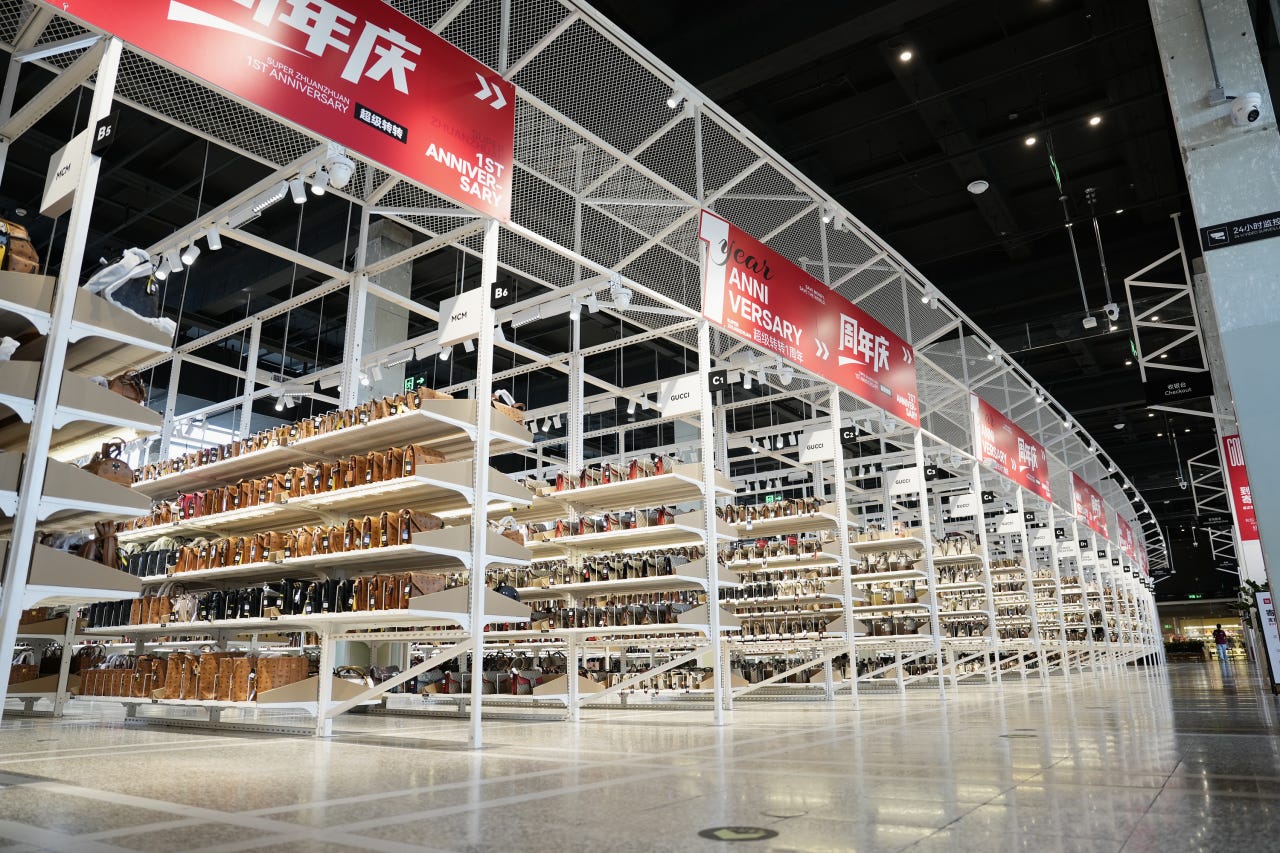
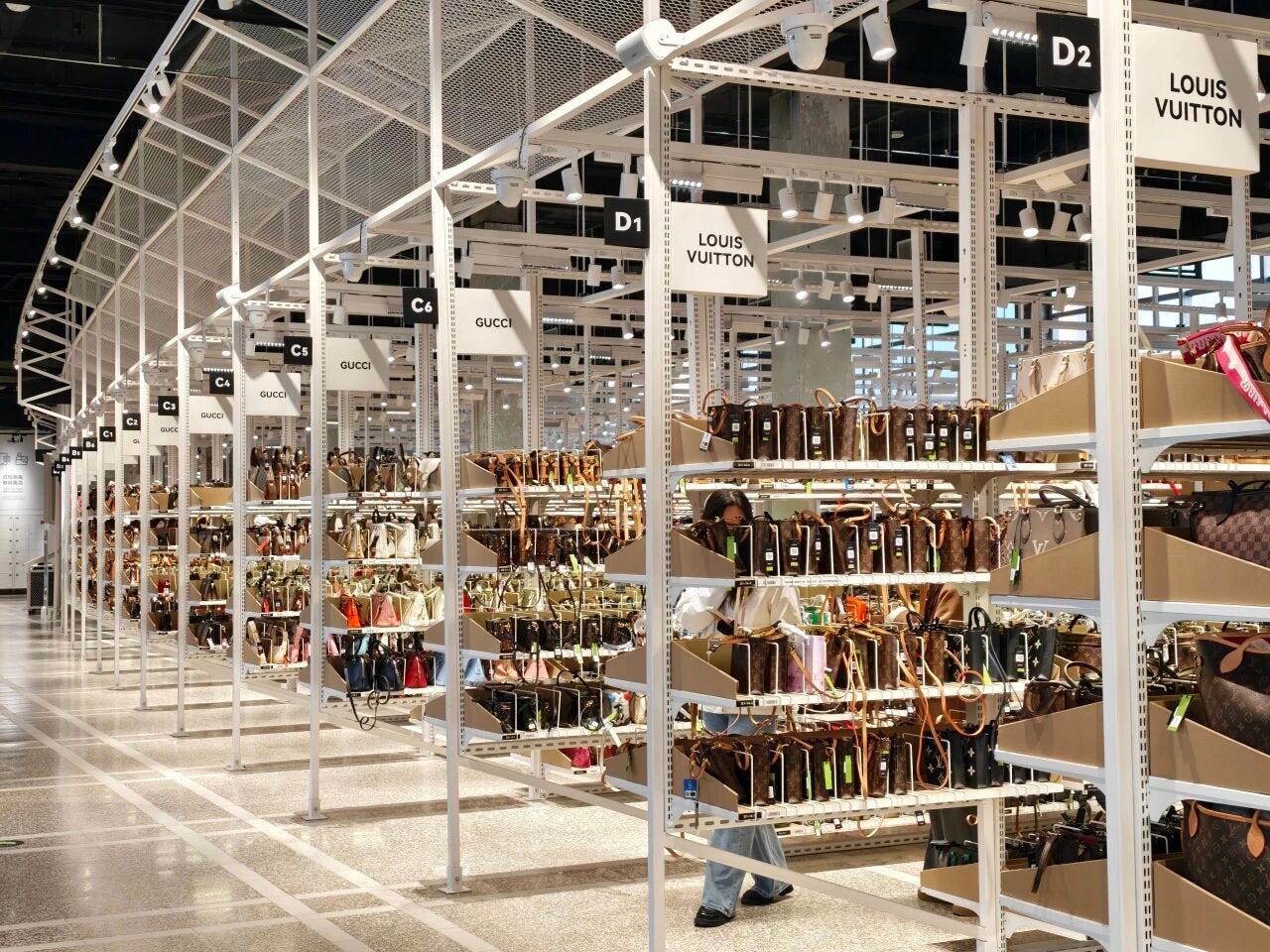
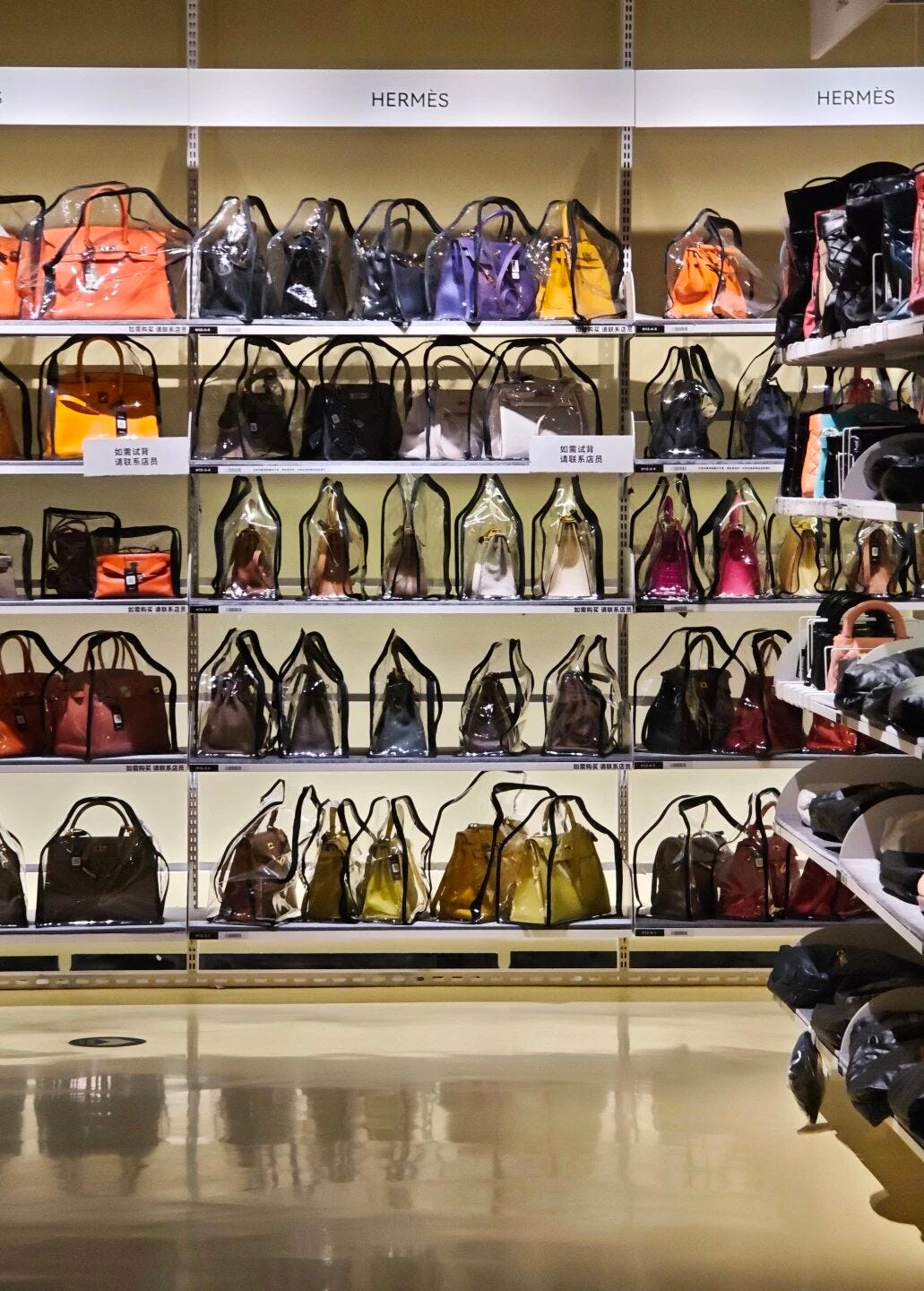
The interesting thing isn’t the discount — it’s the demystification. Luxury’s entire model depends on controlled scarcity: manage access, price high, manufacture aspiration. Walk into a warehouse with twenty thousand bags on industrial racks, and something breaks. Consumers describe going in wanting to buy, leaving with nothing, having talked themselves out of the purchase simply by seeing what a brand looks like at scale. Most look ordinary surrounded by ten thousand of themselves.
Also on the new map
China is redefining the global supply chain
Synopsys — the company whose chip design tools are used inside virtually every advanced semiconductor on the planet — had its global CRO say directly to Chinese media: China has moved from adopting technology to defining it. China’s Physical AI demand (EVs, humanoid robots, edge inference) is now driving Synopsys’s global product roadmap from the demand side. Revenue up 42% year-on-year. Their new AI-powered design tool compresses chip development cycles from 24 months to 12. The direction of innovation has flipped.
Häagen-Dazs China changed hands.
General Mills handed its entire China store network to Ningji — a lemon tea brand from Changsha that opened its first location five years ago. The obvious read: Western brand retreating, local operator advancing. The less obvious read: Ningji’s founder is currently scouting café brands to acquire in Brazil, and deliberately opened their first US store in a non-Chinese neighborhood. She’s not thinking about ice cream. She’s using this as infrastructure.
Tmall Supermarket’s “Super Friday” in Hangzhou.
The retail platform plastered the city with ads timed to forced wait moments — bus tails, subway screens, parking garages — with a single line: Waiting a minute is hard. Trying it for 1 cent isn’t. A one-cent trial mechanic activated during commuting, keyed to Friday evening emotional states. Rednote search traffic spiked 520% in a single day. The model: don’t create demand, find the emotional window where demand is already looking for an outlet.
Thanks for reading. The map is still being redrawn. I'll keep moving ahead of it, and send back what I find.